Certified Staff in Charlotte
The Reasons to Choose Assisted Living? Examine the Essential Benefits and Support Provided
Assisted living offers a beneficial choice for people looking for a supportive environment tailored to their specific circumstances. With personalized care plans and a emphasis on emotional well-being, residents can prosper in a community that prioritizes their independence. Enhanced safety measures and access to health services further contribute to a sense of security. However, the real heart of assisted living lies in the connections and programs that foster connection and well-being. What makes this lifestyle so appealing?
Customized Support and Guidance
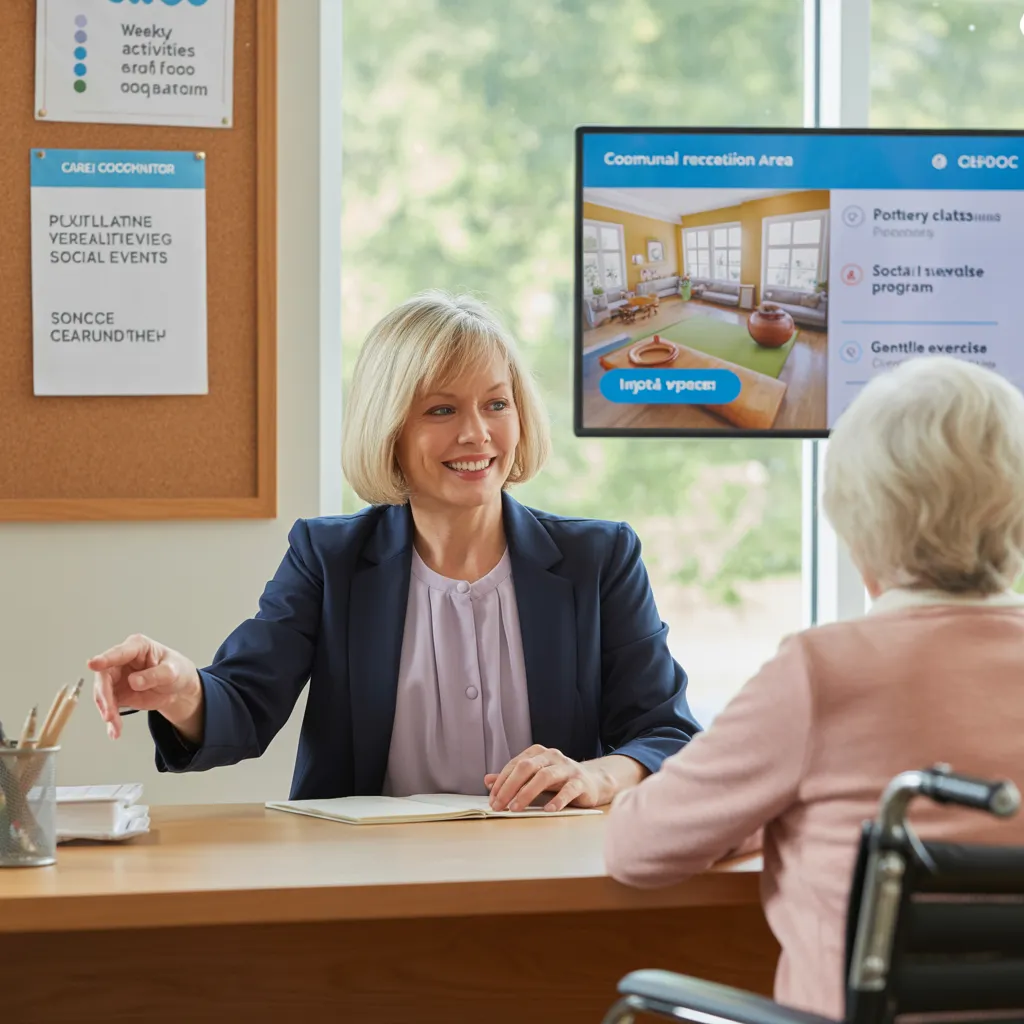
As individuals move to assisted living, they typically realize that customized care and support are crucial to their well-being. In these communities, caregivers review each resident's individual needs, preferences, and health conditions to establish personalized care plans. This personalized approach encourages a sense of dignity and supports independence while confirming that important assistance is promptly available.
Residents obtain help for daily activities including bathing, dressing, and medication management, enabling them to preserve a higher quality of life. Additionally, the emotional support delivered by staff and community members fulfills a vital role in combating feelings of loneliness and isolation. Social interaction is fostered through group activities and events, additionally improving residents' overall happiness. Finally, personalized care and support in assisted living go beyond addressing physical needs but also foster emotional well-being, contributing positively to the residents' overall health and satisfaction.
Advanced Safety and Security
Assisted living communities place a high priority on resident safety and security. With around-the-clock emergency response, secure environments, and scheduled safety inspections, these communities provide peace of mind for both residents and their families. These provisions are vital in creating a protected and caring setting for seniors.
24/7 Urgent Support
Emergency help in assisted living facilities boosts safety measures for residents, supplying peace of mind for both seniors and their families. These facilities are furnished with trained professionals available 24/7 to address emergencies, providing immediate care when needed. Residents benefit from regular safety drills and health assessments, which equip them for potential crises. Emergency response systems, including alarms and monitoring devices, are embedded in the living environment, facilitating swift action in instances of falls or medical emergencies. Additionally, staff members are trained in first aid and CPR, further confirming that residents receive prompt assistance. This thorough support structure promotes a secure environment, permitting residents to live with assurance and autonomy while knowing support is always available.
Safe Housing Settings
Secure living environments in assisted living facilities significantly enhance the wellness of residents. These environments are created with safety in mind, incorporating features such as secure entrances, surveillance systems, and emergency response systems. This infrastructure not only discourages unauthorized access but also guarantees that residents feel protected at all times. Staff members are trained to respond swiftly to any potential safety concerns, fostering a comforting atmosphere. Additionally, the layout of these facilities often minimizes hazards, such as slippery floors and poorly lit areas, further promoting resident safety. By prioritizing security, assisted living facilities provide a nurturing environment that allows residents to maintain their independence while knowing help is readily available when needed.
Regular Safety Checkups
Routine safety inspections serve a vital function in preserving a secure environment within assisted living facilities. These regular inspections ensure that safety protocols are consistently followed, addressing potential hazards before they escalate into serious issues. Trained staff conduct complete assessments of common areas, emergency exits, and individual living spaces, focusing on fire safety, proper lighting, and accessibility features. Furthermore, safety checkups often include the examination of medical alert systems and emergency response plans, providing peace of mind for both residents and their families. By prioritizing regular assessments, assisted living facilities demonstrate their devotion to resident safety, fostering a supportive atmosphere where individuals can thrive with confidence and security. This proactive approach considerably elevates overall well-being and quality of life for residents.
Social Participation Opportunities
Assisted living communities offer a range of group activities and events that promote social interaction among residents. These opportunities not only foster a sense of belonging but also support the formation of new friendships. Engaging in shared interests helps combat feelings of loneliness and boosts overall well-being.
Group Activities and Events
While many individuals may feel isolated in their later years, community gatherings and group events within assisted living communities provide vital opportunities for social engagement. These planned activities, spanning from arts and crafts to exercise classes and game nights, nurture a sense of belonging among residents. Engaging in these events encourages interaction, collaboration, and shared experiences, which can significantly enhance emotional well-being. Additionally, these events often accommodate diverse interests, ensuring that every resident can discover something appealing. Regularly scheduled outings and themed celebrations further enhance community life, creating a vibrant atmosphere that combats loneliness. Finally, group activities and events are vital components of assisted living, fostering not only social connections but also a more fulfilling lifestyle for residents.
Making New Friends
Developing new friendships in assisted living communities can greatly enhance residents' quality of life, as social connections foster overall well-being. These communities create opportunities for social engagement through structured events, group activities, and communal spaces that encourage interaction. Residents often discover common interests, leading to meaningful relationships that combat feelings of loneliness and isolation. Participation in games, arts and crafts, and outings can also enable bonding, allowing individuals to share experiences and create lasting memories. Furthermore, friendships developed in these settings provide emotional support and enhance mental health, encouraging a sense of belonging. Ultimately, forming new friendships in assisted living not only enriches daily life but also promotes a dynamic and supportive community atmosphere.
Accessibility to Health and Wellness Services
Usage of health and wellness services is a pivotal benefit of assisted living, as it guarantees that residents receive the essential medical care and support tailored to their individual needs. Assisted living facilities generally employ trained healthcare professionals who can monitor residents' health conditions and provide immediate interventions. This proactive approach assures that any medical issues are addressed swiftly, lowering the risk of complications.
Furthermore, various facilities give access to a range of wellness programs, including physical therapy, nutrition counseling, and fitness classes designed to boost residents' overall well-being. These services are frequently designed to support independence while guaranteeing safety and support.
In addition, structured care provides assurance that medicine administration and regular health evaluations are carried out, fostering a thorough understanding of each resident's health profile. This unified model of care helps residents to preserve their health and quality of life, making assisted living an compelling choice for those seeking both community and care.
Maintenance-Free Living
Maintenance-free living is a significant advantage of assisted living, as it eliminates the burdens of home maintenance and upkeep. Residents are freed from routine chores such as lawn care, snow removal, or repairs, letting them enjoy more fulfilling activities. This freedom from maintenance responsibilities improves their quality of life, delivering peace of mind and reducing stress.
Within assisted living facilities, qualified personnel manage all maintenance tasks, making certain that the environment is well-maintained and secure. This encompasses regular inspections and timely handling of any concerns that may occur, such as plumbing or electrical matters. Moreover, common areas are kept to high standards, fostering a welcoming atmosphere for residents and their guests.
In the end, a maintenance-free lifestyle enables seniors to experience their independence while dwelling in a nurturing environment, making assisted living an desirable option for those pursuing a hassle-free lifestyle.
Balanced Cuisine and Dining Alternatives
Though numerous elderly individuals encounter difficulties when making nutritious meals independently, assisted living communities provide a solution through nutritious meals and varied dining options. These communities typically employ professional chefs and nutritionists who develop menus that address the dietary needs and preferences of residents. Meals are regularly prepared with fresh, locally sourced ingredients, making certain that seniors receive balanced nutrition.
Meal choices in assisted living centers differ, letting residents to experience meals in shared dining areas or private spaces. This flexibility promotes a sense of community while also catering to individual preferences. Additionally, many communities offer specialized dietary arrangements, such as reduced-sodium, vegetarian, or diabetic-friendly meals, enhancing overall health and vitality.
Comfort and Security for Families
The comfort derived from knowing a loved one is in a safe and supportive environment considerably lessens the concerns of families with aging relatives. Assisted living facilities offer 24/7 supervision, ensuring that residents receive instant assistance when needed, which helps families feel secure about their loved ones' well-being.
Additionally, these communities often cultivate social interaction among residents, lessening feelings of loneliness and isolation. Families can take comfort in knowing their relatives are involved in activities that promote psychological and emotional health.
Additionally, assisted living staff are trained to handle numerous medical needs, providing peace of mind that professional support is discover details on readily available. This level of care permits families to prioritize spending quality time with their loved ones rather than worrying about day-to-day challenges. In the end, assisted living not only improves the quality of life for seniors but also enhances family bonds by easing stress and concern.
Questions & Answers
What's the Best Way to Choose the Right Assisted Living Community?
Picking the right assisted living facility involves examining individual needs, visiting potential locations, reviewing staff qualifications, examining amenities, examining resident feedback, and considering proximity to family and friends for a welcoming community environment.
What Does Assisted Living Typically Cost?
Typical costs of assisted living services fluctuates considerably, commonly ranging from $2,500 to $5,000 per month. Factors affecting pricing include location, facility amenities, and the level of personal care required by residents.
Is It Possible for Residents to Personalize Their Living Space?
Individuals in assisted living communities may customize their personal areas by bringing their own possessions, such as décor and furniture pieces, to create a homey setting that reflects their distinctive preferences and individual style, strengthening their sense of home.
What Happens When a Resident's Care Needs Evolve?
When a resident's needs change, assisted living facilities generally provide greater support and services. This flexibility enables personalized care adjustments, making sure residents receive the right assistance while sustaining their independence and comfort within the community.
Is Pet Ownership Permitted in Assisted Living Communities?
A number of assisted living facilities welcome pets, appreciating their value to residents' emotional welfare. Policies change by facility, so it's essential for potential residents to investigate specific pet rules and any related fees or requirements.